

Reinventing Small Spaces with Convertible Interiors

Today we dive into convertible interiors for compact homes, celebrating ingenious furniture, flexible zoning, and storage that disappears until needed. Expect practical strategies, lived-in stories, and clever mechanisms that multiply every square inch without sacrificing comfort or character. Share your layout challenges and wins, ask questions, and let’s build a supportive community around living beautifully in less space.

Start with Intentional Flexibility

Before choosing any clever gadget, understand how your day flows through morning routines, work focus, meals, and restorative downtime. That awareness guides decisions about what must transform, what can stay fixed, and which compromises feel natural. With a clear purpose, every hinge, wheel, and fold serves your life, not just novelty or aesthetics.

Assess Your Daily Rhythms

Map honest patterns: where shoes pile up, where sunlight falls, where you actually read, and how often guests arrive. Use a simple diary for a week, noting frustrations and delights. Those observations will reveal which pieces must convert quickly, which can tuck away, and where circulation needs to remain open for sanity.

Prioritize Dual-Purpose Zones

Instead of forcing every corner to do everything, assign secondary functions to areas already used. A dining nook becomes a studio with a lift-top bench; a hallway console morphs into a standing desk. By pairing naturally complementary activities, conversions feel effortless, encouraged by proximity to outlets, lighting, and soft acoustic boundaries.

Measure, Iterate, and Mock Up

Tape floor outlines of future furniture footprints and swing paths to test reach, headroom, and elbow clearance. Live with these ghost shapes for days, shuffling pathways and storage access. Adjust until movements feel intuitive, then decide. Mockups reveal surprises like door collisions, rug curl, and the importance of finger pulls or casters.

Transforming Furniture That Does More

Outfitting compact homes thrives on pieces that expand, fold, stack, and slide without feeling like compromises. Focus on authentic comfort during each configuration, not just the novelty of motion. Favor robust mechanisms, easy grips, and balanced weight so conversions remain welcoming at midnight, during rushed mornings, and for visiting grandparents who appreciate simplicity.

Movable Boundaries and Fluid Circulation

Flexible partitions carve privacy without permanence, allowing rooms to breathe when open and support focus when closed. Choose materials that complement sound, light, and cleaning routines. The magic lies in circulation: doors that don’t block outlets, panels that stack slimly, and edges that feel intentional rather than improvised, encouraging confident daily transformation.

Storage That Disappears in Plain Sight

Stair Drawers, Toe-Kick Cubbies, Bench Bays

Each riser can cradle seasonal gear; toe-kicks hide trays for shoes or pet bowls. Lift-lid benches swallow blankets and craft supplies, doubling as seating. Add ventilation holes, soft-close slides, and easy-grip cutouts. Color-code interiors for speed, and place the most frequently grabbed items within arm’s reach to keep transitions smooth and friendly.

Vertical Walls as Vessels

Pegboards, rail systems, and shallow cabinets transform blank walls into adaptable tool belts. Keep hooks consistent, shelves adjustable, and lighting integrated for clarity. A magnetic strip beside a fold-down desk corrals accessories. In tiny kitchens, spice rails above backsplash height free counters while maintaining rhythm and beauty across the room’s visual field.

Kitchens and Baths with Hidden Depth

Pull-out pantries, tip-out sink trays, and mirrored cabinets behind medicine shelves add surprising capacity. Consider rolling islands that park under a counter and towel ladders that pivot flat. Waterproof bins tame cleaning supplies. By keeping surfaces clear, you preserve generous preparation and grooming zones that convert easily into social or self-care sanctuaries.

Light, Color, and Material Illusions

Compact rooms look larger when light is layered and materials are honest. Bounce illumination off ceilings, vary brightness, and let task lights travel with activities. Choose calm palettes with pockets of contrast, reflective finishes sparingly, and textures that ground the senses. These subtle illusions make conversions feel elegant, not contrived or chaotic.

Reflective Strategies and Layered Lighting

Mirrors across from windows multiply depth, while matte paint controls glare. Mix ambient, task, and accent lights on dimmers so one space hosts multiple moods. Clip-on lamps migrate with fold-down desks; LED strips brighten toe-kicks. Warm temperatures near seating and cooler tones for tasks guide attention without announcing their technical choreography.
Quiet Palettes with Textural Contrast

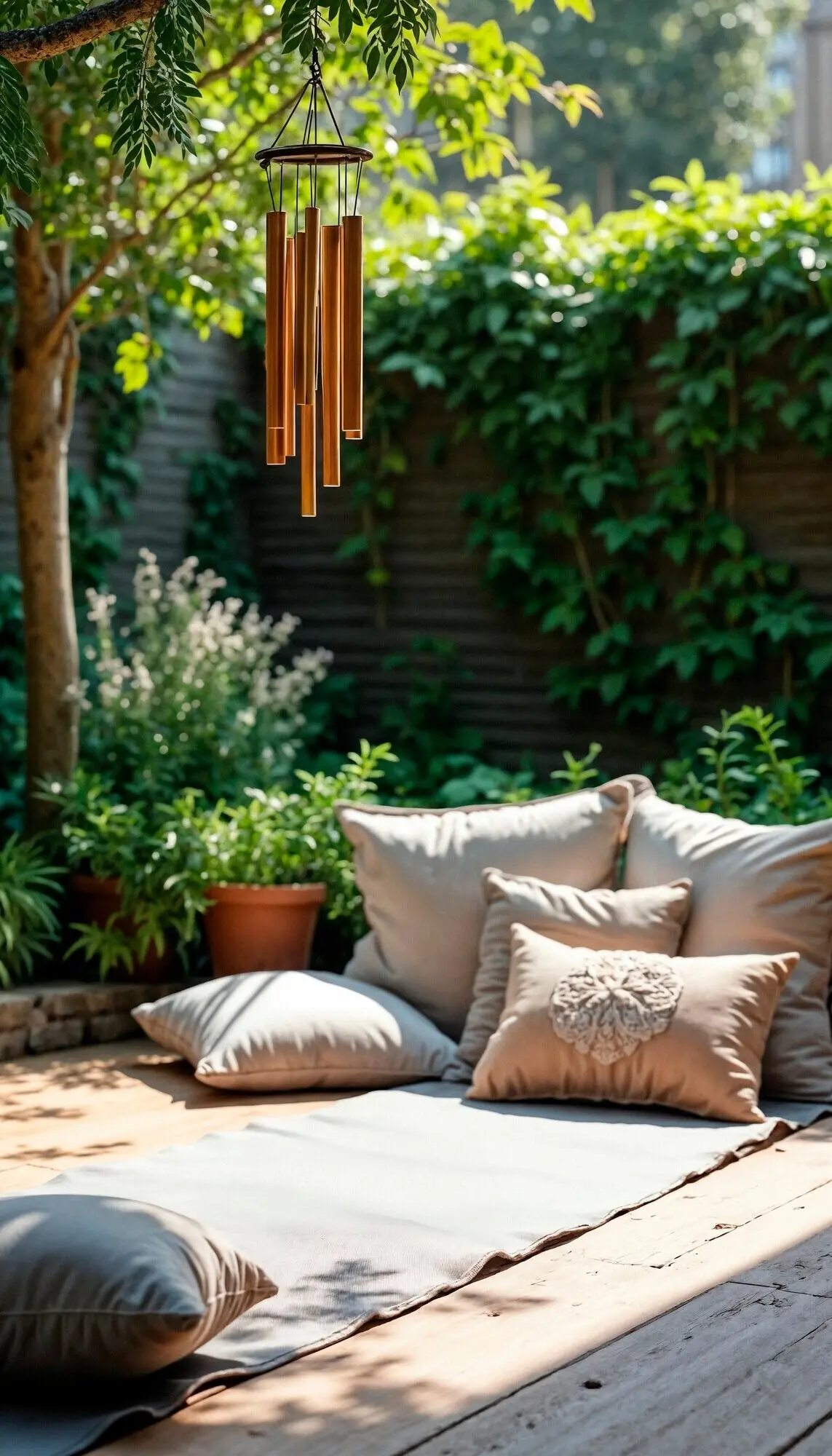
Soft neutrals open visual breathing room, while woven throws, ribbed rugs, and grain-forward woods add tangible richness. Use a single accent hue to thread continuity through changing configurations. Repetition in hardware and edge profiles calms the eye, letting movement happen behind the scenes without visual noise or distracting stylistic collisions.

Transparent, Translucent, and Perforated Elements

Glass tabletops and acrylic legs reduce visual bulk; translucent partitions blur clutter while passing light. Perforated metal shelves feel airy and help electronics breathe. Choose rounded edges to soften tight passages. When elements vanish quietly, your convertible features can take the stage, adding function without subtracting the perception of openness and ease.
Smart Mechanics, Safety, and Longevity

Conversions must be safe, smooth, and durable to be used daily. Favor tested hardware, redundant supports, and finishes that forgive wear. Design for all ages and abilities with predictable motions, reachable latches, and stable footing. Maintenance habits and small upgrades over time keep every pivot and slide feeling satisfying rather than stressful.

Counterbalances, Gas Struts, and Soft-Close Hardware

Quality mechanisms allow one-handed lifts and controlled descents. Adjust tension seasonally, lubricate pivot points lightly, and inspect fasteners after moves. Felt pads stop rattles; edge banding protects fingers. Spare parts and manuals live together. When motion feels trustworthy, you’ll actually convert furniture often, unlocking the compact home’s full, delightful flexibility every single day.

Child-Safe, Pet-Smart, and Aging-Friendly

Shallow thresholds prevent trips; anti-tip brackets anchor tall pieces. Use slow-close hinges, rounded corners, and locks where necessary. Keep cords tamed, paws protected, and switches at reachable heights. Add grab bars that look like towel rails. Design with future mobility in mind so conversions remain welcoming, dignified, and joyful across life stages.

Maintenance Rituals and Future-Proofing

Schedule seasonal tune-ups: tighten hardware, refresh finishes, launder slipcovers, and purge forgotten items. Keep a small kit with hex keys, touch-up markers, and spare glides. Choose modular systems that accept add-ons, not dead ends. Invite feedback from household members, and share your discoveries with our community so everyone’s compact home keeps improving together.

Xevofimefetupavetafiru
Privacy Overview

This website uses cookies so that we can provide you with the best user experience possible. Cookie information is stored in your browser and performs functions such as recognising you when you return to our website and helping our team to understand which sections of the website you find most interesting and useful.